Key Facts at a Glance
| Distance from Miami | ~50 miles (80 km) east |
| Ferry from Fort Lauderdale | ~2–2.5 h on Balearia Jet Express |
| Best big game window | May – July (marlin, tuna, mahi) |
| Best wahoo window | November – March, around full moons |
| Charter price range | From $400 (half-day reef) to $2,000+ (full-day offshore) |
| Currency | Bahamian Dollar (1:1 with USD; USD accepted) |
| Hurricane season | June 1 – November 30 (peak: Aug–Sep) |
| Required documents (US) | Passport + Bahamas Click2Clear travel card |
Why Bimini is a Sport Fishing Legend
Bimini is the closest piece of Bahamian island chain to Florida, and that geography is its whole story. The Gulf Stream brushes the western shore of North Bimini, so the bottom can drop from shallow flats to hundreds of feet within a few boat lengths. Local captains call this edge "the wall." Bait stacks up along it, pelagics cruise it, and you can be trolling for billfish within fifteen minutes of leaving the dock.
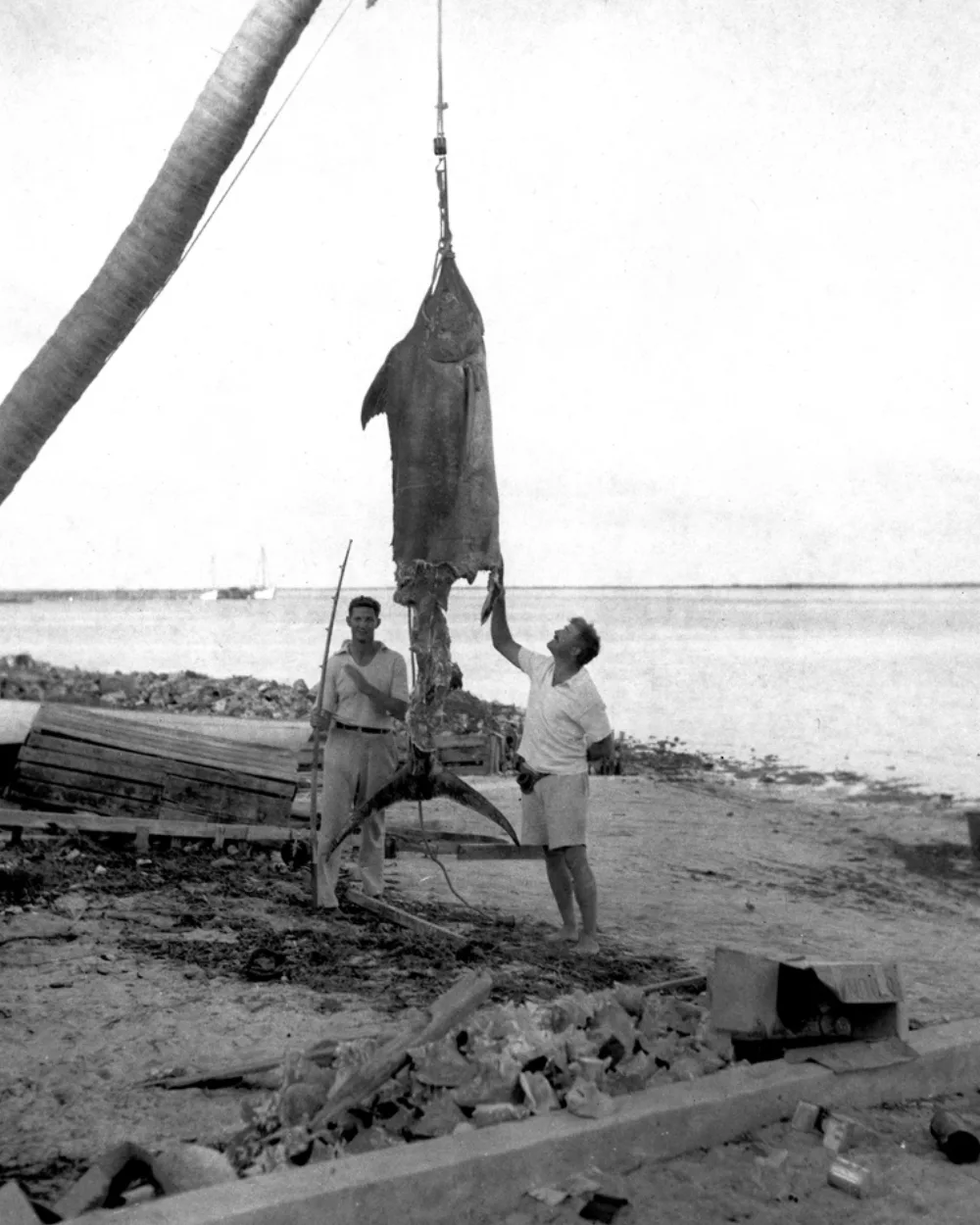
Ernest Hemingway lived on Bimini between 1935 and 1937, fishing the same waters from boats out of Alice Town. A 500-pound Atlantic blue marlin he caught off Bimini is widely credited as inspiration for The Old Man and the Sea. The "Bimini twist" knot used by big-game anglers worldwide was developed by sport fishermen working these waters — the island's name became the knot's name, not the other way around.
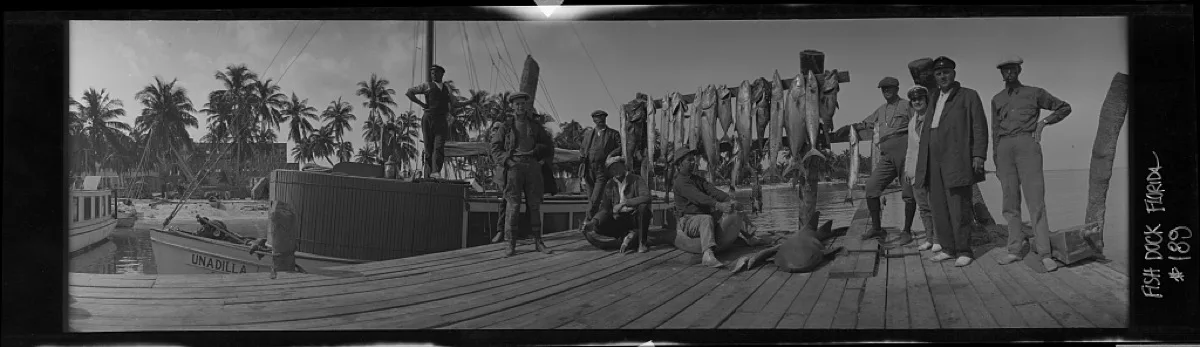
That dark blue edge where the Gulf Stream meets the banks is where it happens. Marlin cruise it, wahoo race along it, yellowfin tuna ball up bait on it. You can spend a morning on the flats chasing bonefish and an afternoon offshore on the troll — that mix is what makes Bimini special.
Trophy Species You'll Target
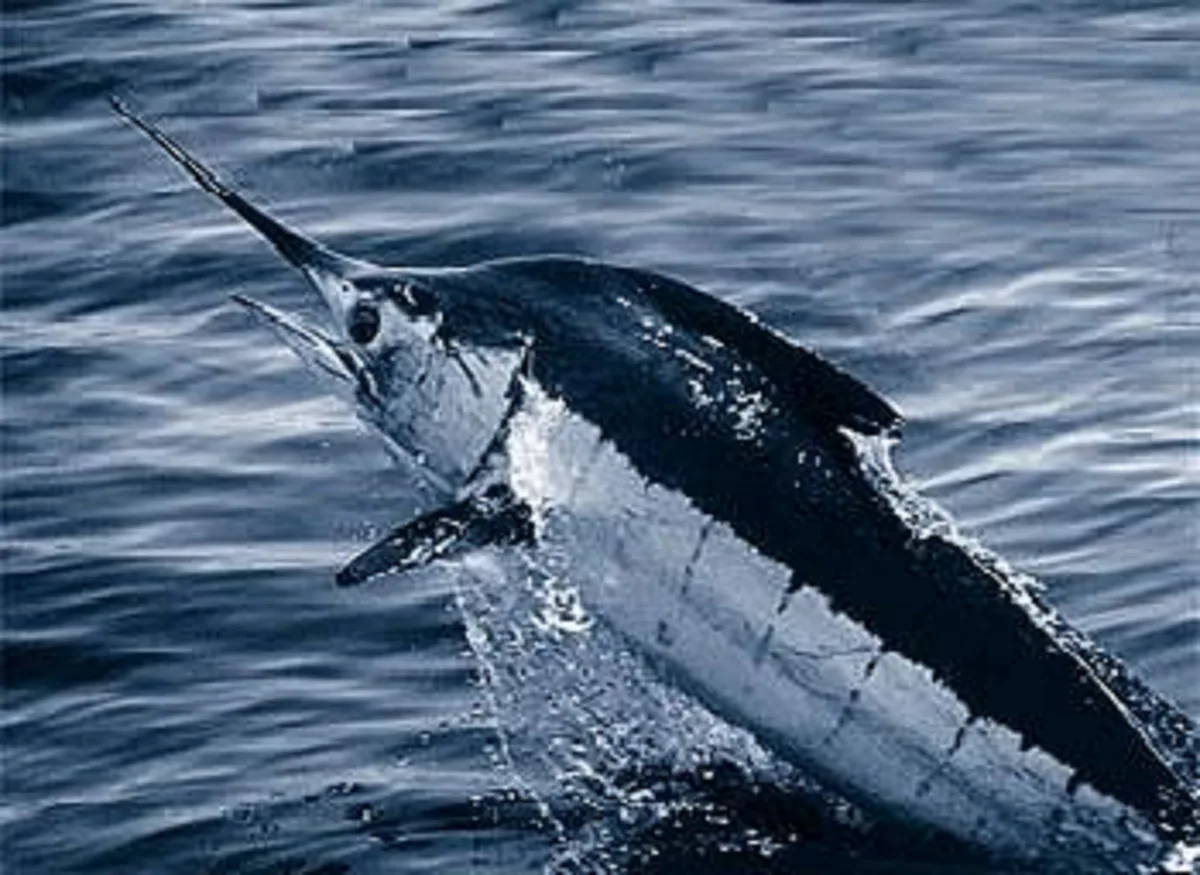
Atlantic Blue Marlin
The headline species. Most blue marlin caught off Bimini run 150–400 pounds; fish over 500 pounds show up every season, and granders (1,000+ lb) are rare but documented in the wider Bahamas. Most captains here practice tag-and-release.
Bluefin Tuna
Giant Atlantic bluefin still migrate past Bimini in late spring, far below mid-century numbers. Strict ICCAT and NOAA rules govern retention — most modern trips are catch-and-release, and any retained fish requires the captain's permit and tag.
Wahoo
Winter wahoo fishing here is a Bahamas specialty. High-speed trolling (12–16 knots) along the wall around full moons produces multiple hookups. Fish in the 30–60 lb range are common; 80+ lb fish show every season.
Yellowfin Tuna
Schooling yellowfin from 30–80 pounds provide consistent action when bait is concentrated along the Gulf Stream edge. Watch for working birds and busting bait; chunking with live pilchards or ballyhoo is the go-to.
Mahi Mahi (Dorado)
Mahi school around sargassum weed lines and floating debris. Bulls over 30 pounds are typical in early summer. Leave one hooked to keep the school close — multi-fish stops are common.
Bonefish
Bimini's flats are legendary. The IGFA all-tackle bonefish world record (16 lb 3 oz, Brian Batchelor, 2008) was set here. The flats fish year-round — hire a local guide for your first day to learn the tides and the lanes.
Where to Fish: Five Productive Areas
Below are the five areas most charter captains out of Alice Town and Cat Cay work consistently. Exact GPS spots stay with the captains — pick a guide for your first trip and the local knowledge becomes part of the package.
-
1
The Bimini Wall (Gulf Stream edge)
The signature spot. Where the Great Bahama Bank drops away into the Gulf Stream along the western shore of North Bimini. Pelagics use this edge as a highway. High-speed troll for wahoo in winter, slow-troll skirted ballyhoo for marlin in spring and summer. Wire leaders are essential — wahoo will cut through monofilament instantly.
-
2
Cat Cay Drop-Off (south of South Bimini)
The south end of the chain, where the bank wall is sharp and the current rips. This was a favourite area for the Hemingway-era big-game crowd at Cat Cay Yacht Club. Live bait fished on the edge in late spring produces bluefin and yellowfin tuna; trolled lures pick up wahoo and marlin.
-
3
Great Isaac Cay (north of Bimini)
About 20 miles north of Bimini, marked by the abandoned 19th-century Great Isaac Lighthouse. Steep reef structure holds grouper, amberjack and African pompano on the bottom; cobia and permit cruise the surface. Drop heavy jigs or live bait for bottom species.
-
4
The Bimini flats (inside the harbour)
The protected sandy and turtle-grass flats on the lee side of North Bimini are world-class bonefish water — the IGFA all-tackle record bonefish was caught here. Wade-fish at low tide or pole-skiff with a flats guide. Permit and small tarpon also show through the channels.
-
5
Victory Cays / Holm Cay (south chain)
Small cays south of Bimini where the channels between islands act as bait highways. Drift live ballyhoo in the current for kingfish and wahoo; bottom fishing produces yellowtail and mutton snapper. Best fished by charter from Alice Town or Cat Cay.
Month-by-Month Fishing Calendar
Bimini fishes year-round, but the species mix shifts month by month. Here's a working calendar based on charter captain reports and Bahamas tourism fishing summaries. Note that August and September fall in the peak of Atlantic hurricane season — fishing can still be excellent in settled weather, but trips are more likely to be weather-cancelled.
Insider Tips from 50+ Trips
Fish the Tides
The bite turns on 2 hours before high tide through 1 hour after. The current brings baitfish over the wall. Set your alarm — dawn patrol catches the most fish.
Bring Your Own Gear
Pack 50–80 lb conventional setups for offshore trolling, 20–30 lb spinning for casting and flats. Balearia Caribbean accepts fishing rods as standard luggage on the Bimini ferry — a hard rod tube protects them in transit. Bring extra wire leader; wahoo will cut mono on the first strike.
Live Bait Matters
Live ballyhoo and pilchards are the go-to baits along the wall. The Bimini Big Game Club Marina and Brown's Marina in Alice Town are the practical stops to buy bait before heading out. Buy extra and keep them in an aerated bait well.
Download Offline Charts
Cell coverage gets patchy a few miles offshore. Download the Bahamas chart pack for Navionics or your preferred chartplotter app before you leave Florida. Mark your own spots — the wall holds bait differently every season.
Watch the Weather
A strong east wind over 15 knots stacks up against the north-flowing Gulf Stream and creates an ugly, steep chop on the wall. Check Windy.com, the NOAA Atlantic forecast, and your captain's call. The smoothest fishing usually comes with a southeast wind under 10 knots.
Hire Local on Day One
If it's your first time on the wall, book a half-day with a Bimini-based captain on day one. You'll learn the productive lanes, the live-bait sources and how the current sets up — far more useful than guesswork. The Bimini Big Game Club Marina is the standard place to arrange charters in advance.
Charter Options & Pricing
Typical 2026 charter pricing in Bimini, based on rates published by Bimini Big Game Club Marina, Brown's Marina captains and Cat Cay-area operators. Prices are per boat, not per person — splitting with a group brings the per-angler cost down sharply.
| Charter Type | Duration | Target Species | Price Range |
|---|---|---|---|
| Half-Day Reef | 4 hours | Snapper, Grouper, Barracuda | $400-600 |
| Half-Day Offshore | 4 hours | Mahi, Tuna, Wahoo | $600-900 |
| Full-Day Deep Sea | 8 hours | Marlin, Tuna, Mahi, Wahoo | $1,200-2,000 |
| Flats Fishing | 6 hours | Bonefish, Permit, Tarpon | $500-700 |
| Night Swordfish | 10 hours | Swordfish, Night Sharks | $2,000-3,000 |
| Tournament Charter | Full day | Tournament species | $2,500-4,000 |
Pro tip: Book directly with captains, not through hotels. You'll save 20-30%. Most charters include tackle, bait, and licenses. Tip 15-20% for good service. Bring your own food and drinks — you'll be hungry after battling fish!
Tournaments to Watch (or Fish)
Bimini has a long tournament tradition stretching back to the early Hemingway-era big-game crowd at Cat Cay. Schedules shift year to year — always check directly with the organising marina before booking flights or charters. Tournaments that have been part of the Bimini circuit in recent seasons include:
- Bimini Wahoo Smackdown (winter): Multi-leg wahoo series typically running January–March, based out of the Bimini Big Game Club Marina.
- Bimini Big Game Club spring billfish tournaments (April–June): Blue marlin and white marlin events, often paired with the wider Bahamas Billfish Championship calendar.
- Bahamas Billfish Championship (BBC): Multi-island series held each spring/early summer, with Bimini frequently included as a leg.
- Native Bimini fishing tournaments (summer): Local family-style tournaments — usually closed to outside boats but a great spectator event from the docks.
Verify dates and entry fees on the tournament organiser's website before planning a trip.
Where to Stay in Bimini
Most anglers base on North Bimini, within walking distance of the marinas in Alice Town and Bailey Town. The map below lets you compare hotel and condo prices for your dates — pricing is pulled live from Booking.com, Hotels.com, Expedia and similar sites.
Three solid bases for a fishing trip
Bimini Big Game Club Resort & Marina
The historic anchor of Bimini sport fishing. On-site marina, tackle shop, fish-cleaning station and a fleet of resident charter captains. The most logistically simple option if fishing is the point of the trip.
Check availabilityHilton at Resorts World Bimini
Larger resort property on the north end of North Bimini with its own marina, pools and casino. Better fit for travellers mixing a fishing day or two with non-fishing time on the beach.
Check availabilitySea Crest Hotel & Marina
Simple, family-run hotel a short walk from the King's Highway, restaurants and the bonefish flats. Good value option for anglers who plan to spend the whole day on a charter and don't need resort amenities.
Check availabilityBahamasHopping earns a commission when you book through these links (handled automatically by Stay22). It doesn't change the price you pay. Affiliate disclosure.
Frequently Asked Questions
When is the best time to fish in Bimini?
Bimini fishes year-round, but the headline seasons are May to July for blue marlin and mahi mahi, and November to March for wahoo. Winter wahoo runs around the full moon are some of the most consistent action in the Bahamas. Bonefish on the flats are catchable every month.
How far is Bimini from Florida?
Bimini sits about 50 miles (80 km) due east of Miami. Balearia Caribbean's Jet Express ferry from Fort Lauderdale to North Bimini takes roughly 2 to 2.5 hours each way.
How much does a fishing charter in Bimini cost?
Half-day reef charters typically start around $400–$600 for the boat. Half-day offshore trips for mahi, tuna and wahoo run $600–$900. Full-day deep-sea charters targeting marlin and big tuna are usually $1,200–$2,000. Flats charters for bonefish start around $500 for half a day. Prices are per boat (not per person) and usually include tackle, bait and licenses.
Do I need a fishing license to fish in Bimini?
Yes. The Bahamas requires a sport fishing permit for any non-commercial fishing in Bahamian waters. Most licensed charter captains include the permit in the trip price. If you're fishing from a private boat, you can buy the permit online through the Bahamas Department of Marine Resources or in person from local marinas.
Can I bring my own fishing rods on the Bimini ferry?
Yes. Balearia Caribbean allows fishing rods and reels as standard luggage on the Jet Express ferry from Fort Lauderdale to Bimini. A hard rod tube protects them in transit. Check the latest baggage policy at baleariacaribbean.com before you travel.
Are there bluefin tuna in Bimini?
Yes — giant Atlantic bluefin still migrate past Bimini in May and June, though numbers are far below the peak years of the mid-twentieth century. Atlantic bluefin are managed by ICCAT and NOAA. Strict catch and retention rules apply, and most modern captains practice catch-and-release.
What documents do US citizens need for Bimini?
US citizens need a valid US passport book to enter the Bahamas by air. For sea travel on the Baleària ferry, the operator accepts only a valid US passport book or US passport card, from adults and minors alike, and states in writing that birth certificates, photo ID and naturalization certificates are no longer accepted. General WHTI sea-travel rules are more permissive — which is why many guides say otherwise — but the carrier's condition is the one applied at check-in. See our Bahamas ferry passport guide. All visitors must complete the Bahamas Click2Clear travel card before arrival.
When is hurricane season and should I worry about it?
Atlantic hurricane season officially runs June 1 to November 30, with peak activity from mid-August through September. Direct hits on Bimini are statistically uncommon in any given year, but ferries and charters can be cancelled with little notice during named storms. Buy travel insurance for trips booked between August and October.
Ready to Fish Hemingway's Waters?
The Gulf Stream wall, blue marlin, winter wahoo and bonefish on the flats — all within a two-hour ferry ride from Florida. Plan the two pieces that matter most:
Last updated: . We refresh this guide quarterly with the latest Balearia Caribbean ferry schedule, charter pricing and seasonal fishing notes from Bimini operators.